
Following ADIPEC 2026, GN New Chem dispatched its technical specialists to customer sites in the Middle East in response to requests for on-site testing. Within one week, the team successfully completed two trials, one focused on oil sludge treatment and the other on water treatment. Both trials achieved results that satisfied the customers and gave their operating teams a direct view of how the treatment approaches performed under site conditions.
Oil Sludge Treatment and Three-Phase Separation
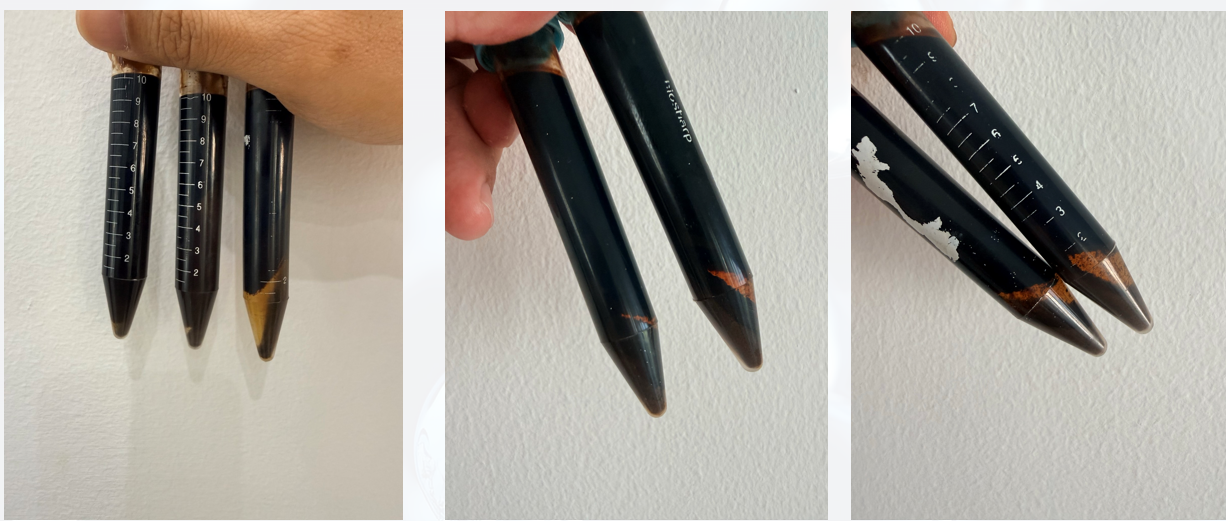
The oil sludge trial focused on separating oil, water, and solids. Oil sludge can be difficult to treat because fine solids and heavy oil components can stabilize emulsions, while high viscosity can slow separation. Depending on the characteristics of t
he sludge, oil may remain attached to solid particles or become trapped in a persistent intermediate layer between the oil and water phases.
Chemical conditioning can help release this trapped oil and improve separation. A sludge-washing agent can promote oil detachment from solids, while a suitable demulsifier can weaken the interfacial film around dispersed droplets and allow them to coalesce. The choice of chemistry and the way it is applied depend on the feed material. Dosage, mixing intensity, temperature, and contact time can all influence how the conditioned sludge behaves during separation.
At the customer site, the trial provided an opportunity to assess the response of the actual sludge to treatment. In practice, the appearance of the separated phases, the thickness of the intermediate layer, and the settling behavior of the solids help operators judge whether the treatment is suitable for further evaluation. The customer was satisfied with the separation performance observed during the trial.
Water Treatment and On-Site Performance Evaluation
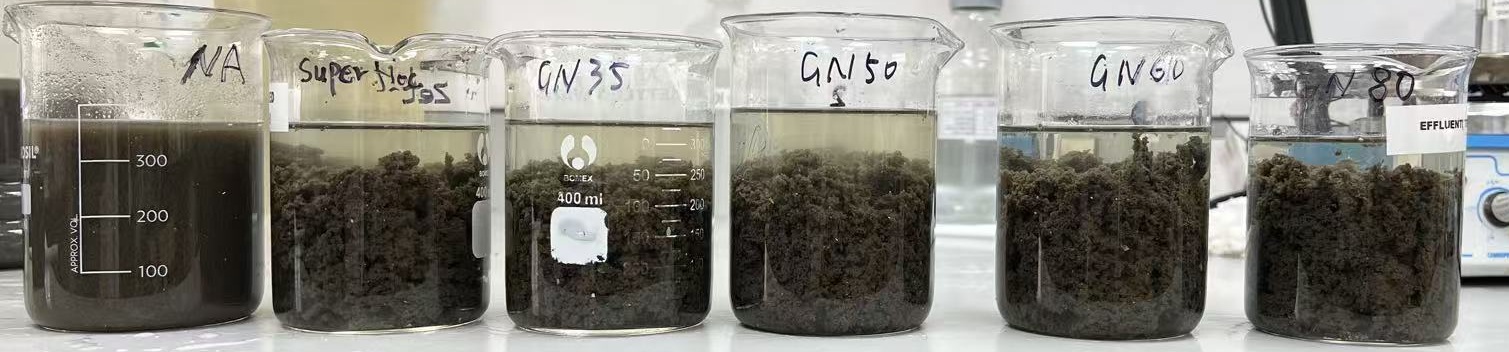
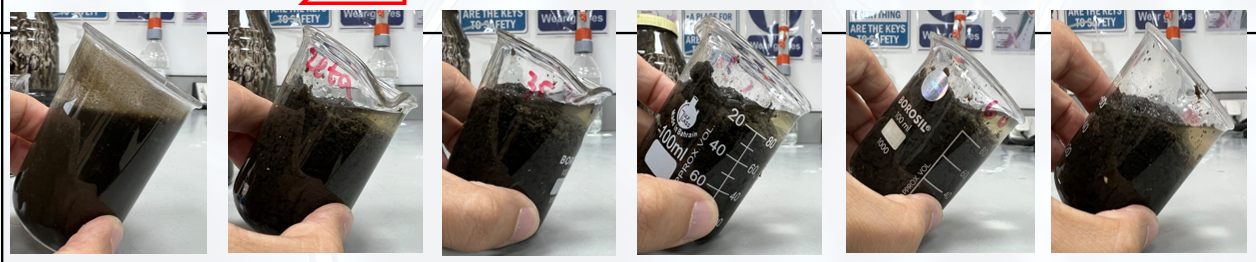
The second trial focused on water treatment. In industrial water streams, fine suspended particles and dispersed oil droplets can remain in the water even after larger solids and free oil have separated. Where coagulation and flocculation are appropriate, coagulation reduces the stability of dispersed particles, and flocculation brings them together into larger aggregates that can be removed through settling or flotation, depending on the process.
For field applications, chemical selection goes hand in hand with operating conditions. The water composition, pH, chemical addition sequence, and mixing conditions can affect how quickly flocs form and how well they hold together. Observing these responses at the site helps the technical team assess how the treatment could fit into the customer’s existing process. The water treatment trial delivered an outcome that met the customer’s expectations.
From ADIPEC Discussions to Field Application
Completing both trials within one week brought the technical discussions at ADIPEC directly into the field. On-site testing gave the customers and GN New Chem’s specialists a shared basis for reviewing treatment performance using the customers’ own materials and operating conditions. It also helped identify which operating variables should receive attention when planning further application.
Through its Chemicals + Equipment + Solutions approach, GN New Chem combines chemical selection with an understanding of how treatment fits into the wider separation process. The two trials illustrate how this approach can support distinct treatment objectives, from recovering oil from sludge to improving the separation of contaminants from industrial water.