Monday - Saturday - 8:00 - 18:00, Sunday - 8:00 - 14:00

Technology

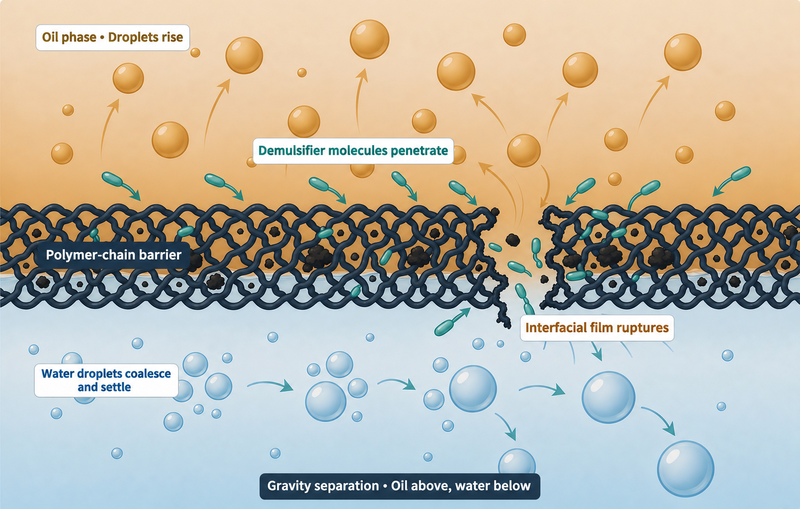
Why stable emulsions form

Polymer flooding is an enhanced oil recovery technique. Injecting a polymer solution thickens the displacing fluid, helping it sweep more crude oil from the reservoir. Residual polymer in the produced fluid can make oil–water separation more difficult.


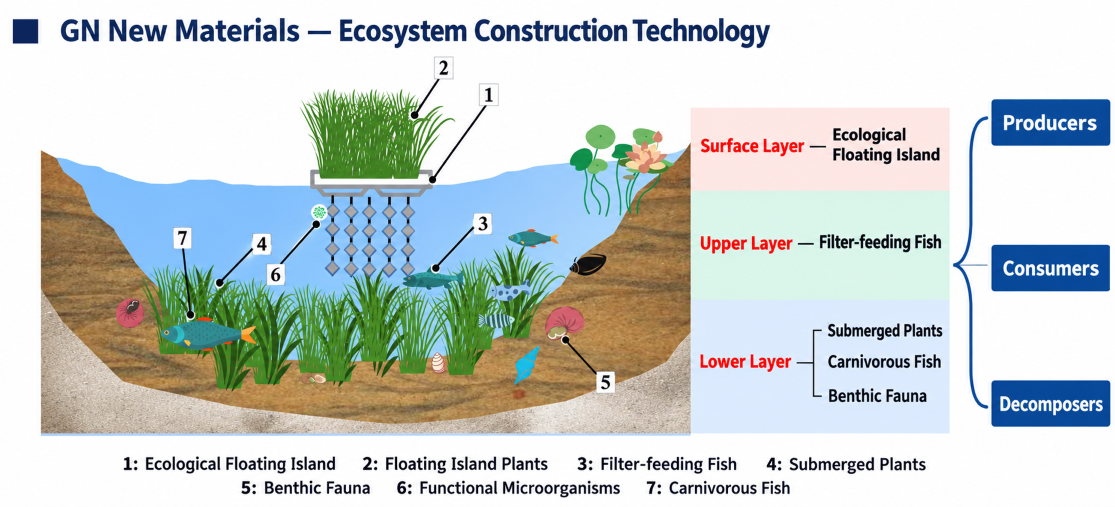
1  Why River Sediment Accumulates

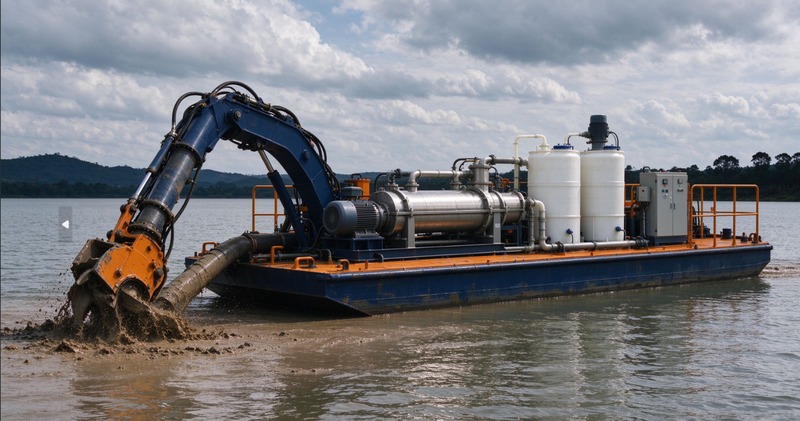
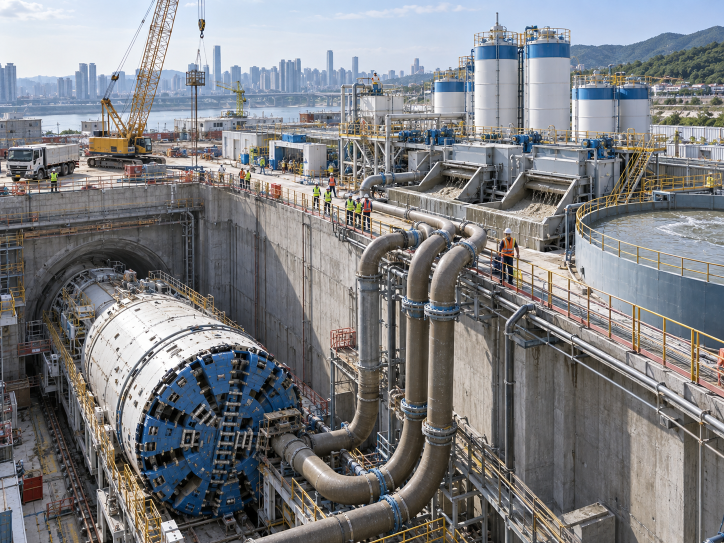
The long-term accumulation of sediment, debris and pollutants raises the riverbed and reduces drainage and flood conveyance capacity. Some bottom sediments also contain elevated concentrations of nitrogen, phosphorus and organic contaminants, which may be released into the water column under certain conditions and impair water quality.

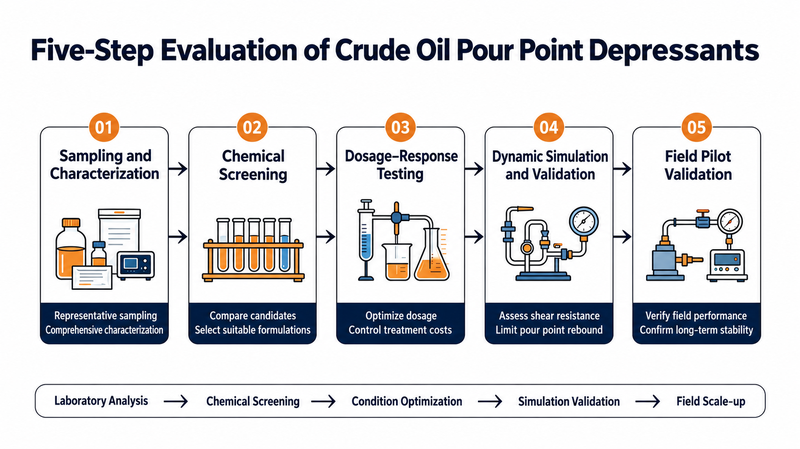
Pour Point Depressants for Improved Crude Oil Flow

When the temperature of waxy crude oil falls below the wax appearance temperature (WAT), wax crystals begin to precipitate and interconnect, forming a network that increases viscosity and reduces flowability. In severe cases, this can cause pipeline plugging, elevated pumping pressure, or even a shutdown of pipeline operations.

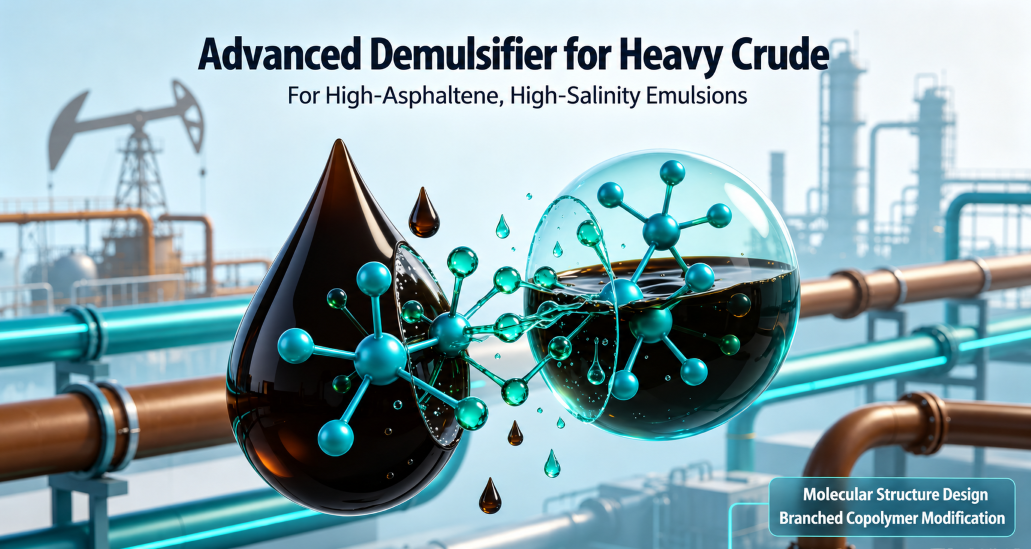
Heavy and extra-heavy crude production fluids often form persistent emulsions that are difficult to dehydrate. To address this challenge, the R&D team at GN New Chem Technology Co., Ltd. has refined both the formulation and molecular structure of a demulsifier for heavy crude oil, with a focus on improving demulsification and oil–water separation under demanding conditions, including high asphaltene content and high salinity.

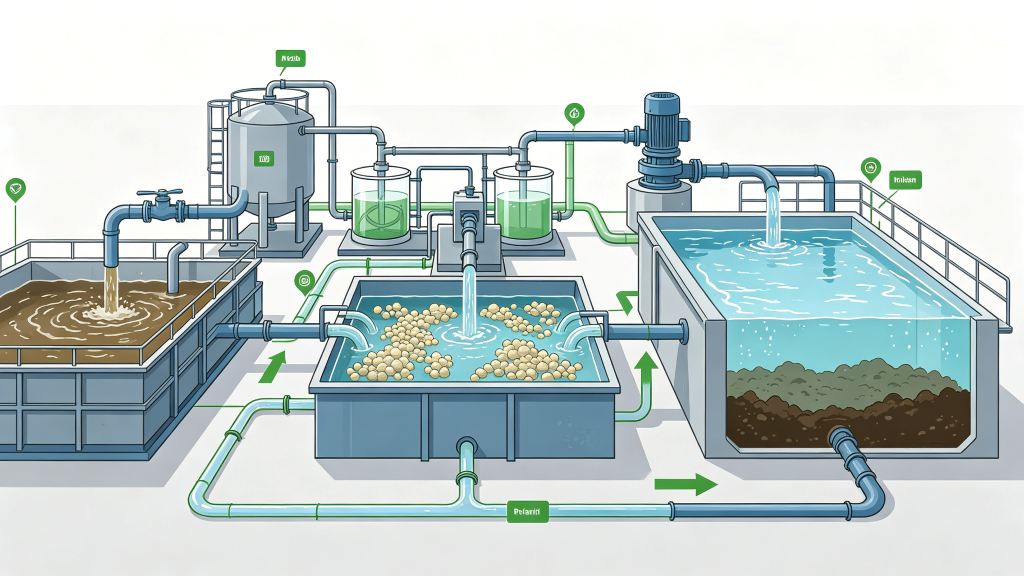
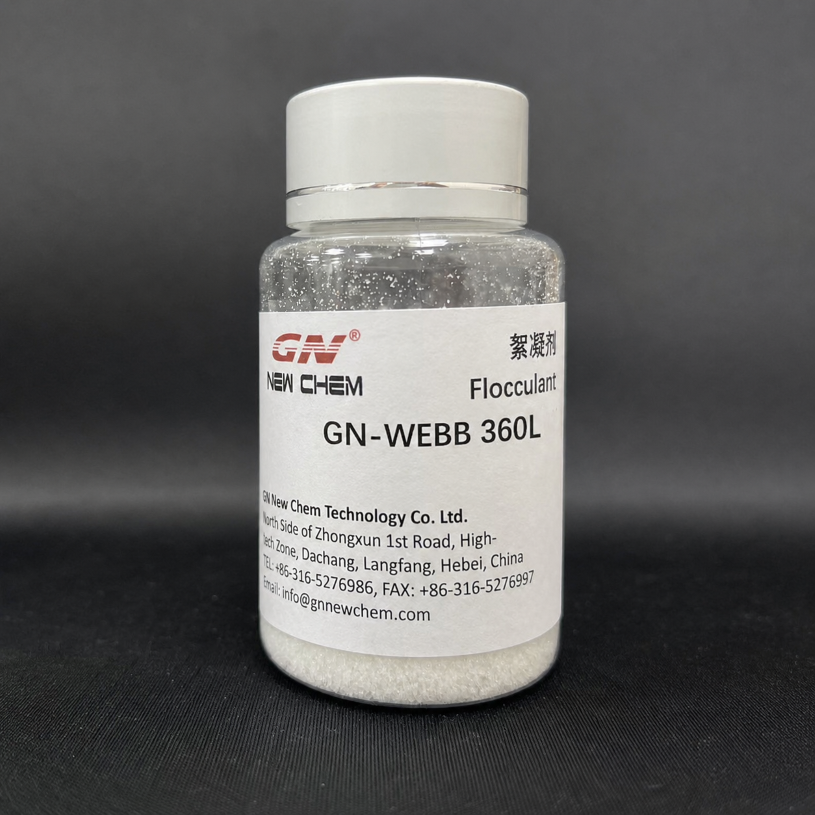
Wastewater generated by industrial operations and municipal services is far more complex than simply “dirty water.” Suspended particles typically carry negative surface charges and are surrounded by an electrical double layer, causing them to repel one another and remain as stable colloids. Dissolved organics, oil, salts and other constituents further increase viscosity and turbidity. Together, these conditions slow floc formation and settling, hinder solid-liquid separation, and make COD removal difficult.

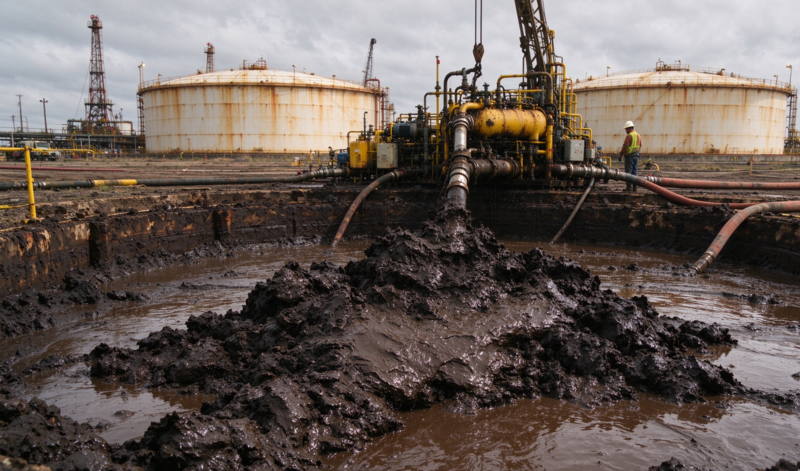
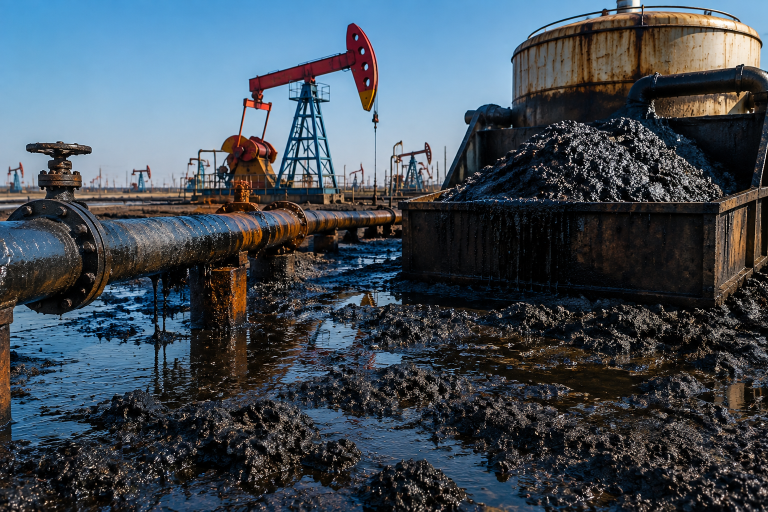
Large quantities of oil sludgeare generated during crude oil production, storage and transportation, refining, and other industrial operations.

Oil sludge is not simply a mixture of “oil + solids.” It is a complex multiphase system composed of crude oil, water, solid particles, and various organic constituents. During prolonged production and handling, chemical additives, mechanical shear, and other factors promote the formation of stable associations among the oil, water, and solids. Consequently, oil sludgeis one of the more challenging solid wastes encountered in industrial environmental management.